
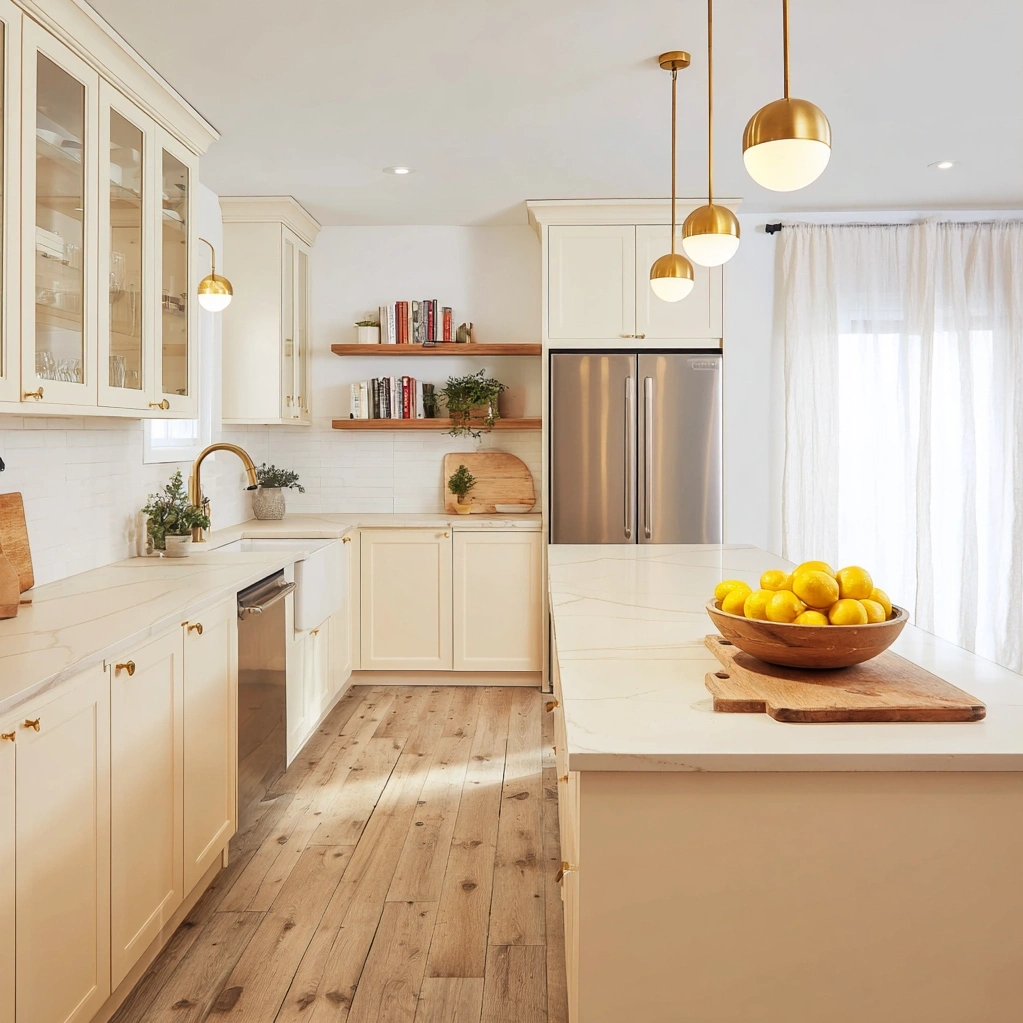
Imagine stepping into your kitchen each morning to a space that feels like a gentle embrace. The warm white kitchen trend has taken the design world by storm, and for good reason. This isn’t just about picking a paint color—it’s about creating an environment that nurtures both your culinary creativity and your soul. A kitchen bathed in warm white tones offers more than aesthetic appeal; it provides a functional canvas where cooking, gathering, and living flow seamlessly together. In today’s fast-paced world, our homes need to be sanctuaries, and the kitchen often serves as the heart of that sanctuary. A warm white palette transforms this essential space into a haven of comfort and inspiration. Unlike stark, clinical whites that can feel cold and impersonal, warm whites—with their subtle undertones of cream, beige, or soft yellow—create an inviting atmosphere that welcomes both family and guests. This design approach combines timeless elegance with modern practicality, making it an ideal choice for homeowners looking to refresh their spaces without following fleeting trends. Whether you’re planning a complete renovation or simple updates, understanding how to implement a warm white kitchen can dramatically enhance your daily life. The psychological effects are significant too: warm tones are known to promote relaxation and togetherness, turning meal prep from a chore into a joyful ritual. Let’s explore how this beautiful trend can work for you.
The Magic of a Warm White Kitchen: Why This Palette Works
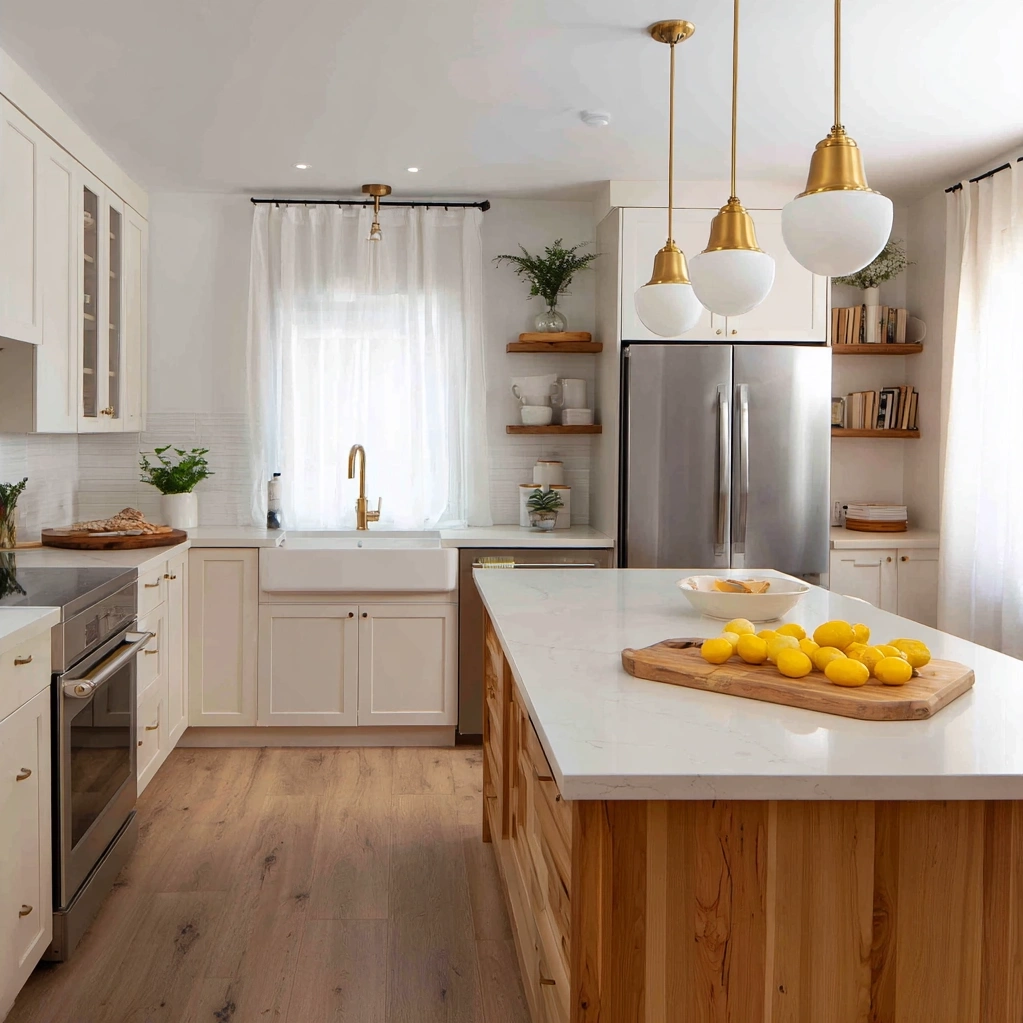
A warm white kitchen isn't just another design fad—it's a thoughtful approach to creating spaces that feel both luxurious and lived-in. The secret lies in the subtle undertones that distinguish warm whites from their cooler counterparts. While pure white can sometimes feel sterile or hospital-like, warm whites carry hints of cream, soft beige, or gentle yellow that add depth and character to your space. These undertones interact beautifully with natural light throughout the day, creating a dynamic environment that changes from morning brightness to evening coziness. The versatility of a warm white kitchen makes it suitable for various architectural styles, from modern farmhouse to contemporary minimalism. It serves as a perfect backdrop for both bold accent colors and natural materials like wood and stone. Practical benefits abound as well: warm white surfaces tend to hide minor imperfections better than pure white, making maintenance easier for busy households. This color scheme also makes spaces appear larger and more open—a valuable feature for smaller kitchens or open-plan living areas. When selecting your warm white palette, consider the existing elements in your space. Cabinets, countertops, backsplashes, and walls can all work together in harmonious shades. The key is creating cohesion through similar undertones rather than matching exact colors. This layered approach adds sophistication while maintaining the welcoming atmosphere that makes warm white kitchens so special. Lighting plays a crucial role too; warm white LED bulbs can enhance the cozy effect, while strategic task lighting ensures functionality isn't sacrificed for ambiance.
Designing Your Dream Warm White Kitchen: Essential Elements
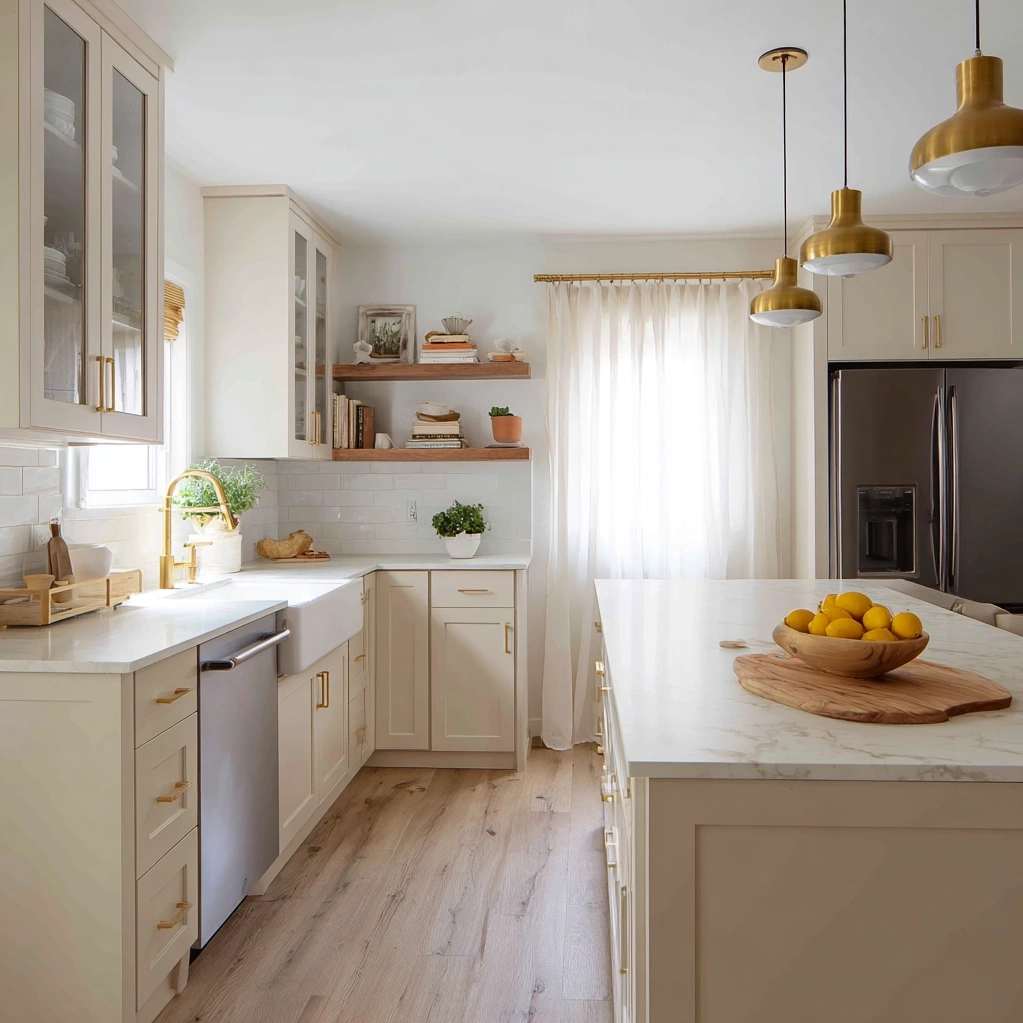
Creating a successful warm white kitchen requires attention to several key elements that work together to achieve the desired effect. Start with cabinetry—the largest surface area in most kitchens. Choose warm white cabinet finishes with subtle texture or grain patterns to add visual interest. Shaker-style doors work particularly well, offering clean lines that complement the simplicity of the color scheme. For countertops, consider materials with natural variations like quartz with veining, marble, or warm-toned granite. These surfaces break up the monochrome palette while maintaining harmony. The backsplash offers an opportunity to introduce texture or pattern; subway tiles in warm white or slightly off-white shades create timeless appeal, while handmade tiles add artisanal charm. Flooring should anchor the space without competing with the warm white theme. Light wood floors with warm undertones, large-format porcelain tiles in cream shades, or natural stone all work beautifully. Don't forget about hardware and fixtures—brass, bronze, or oil-rubbed bronze finishes complement warm whites perfectly, adding warmth and contrast. For open shelving, which has become popular in warm white kitchens, display items with natural materials like wood bowls, ceramic vessels, or woven baskets. These organic elements enhance the cozy atmosphere. Storage solutions should be both functional and aesthetically pleasing; consider glass-front cabinets or open shelves for frequently used items. The layout matters too: ensure your warm white kitchen supports efficient workflow with the classic work triangle between sink, stove, and refrigerator. Finally, incorporate personal touches through artwork, plants, or decorative objects that reflect your style while maintaining the cohesive warm white aesthetic.
Warm White Kitchen Lighting and Accents: The Finishing Touches
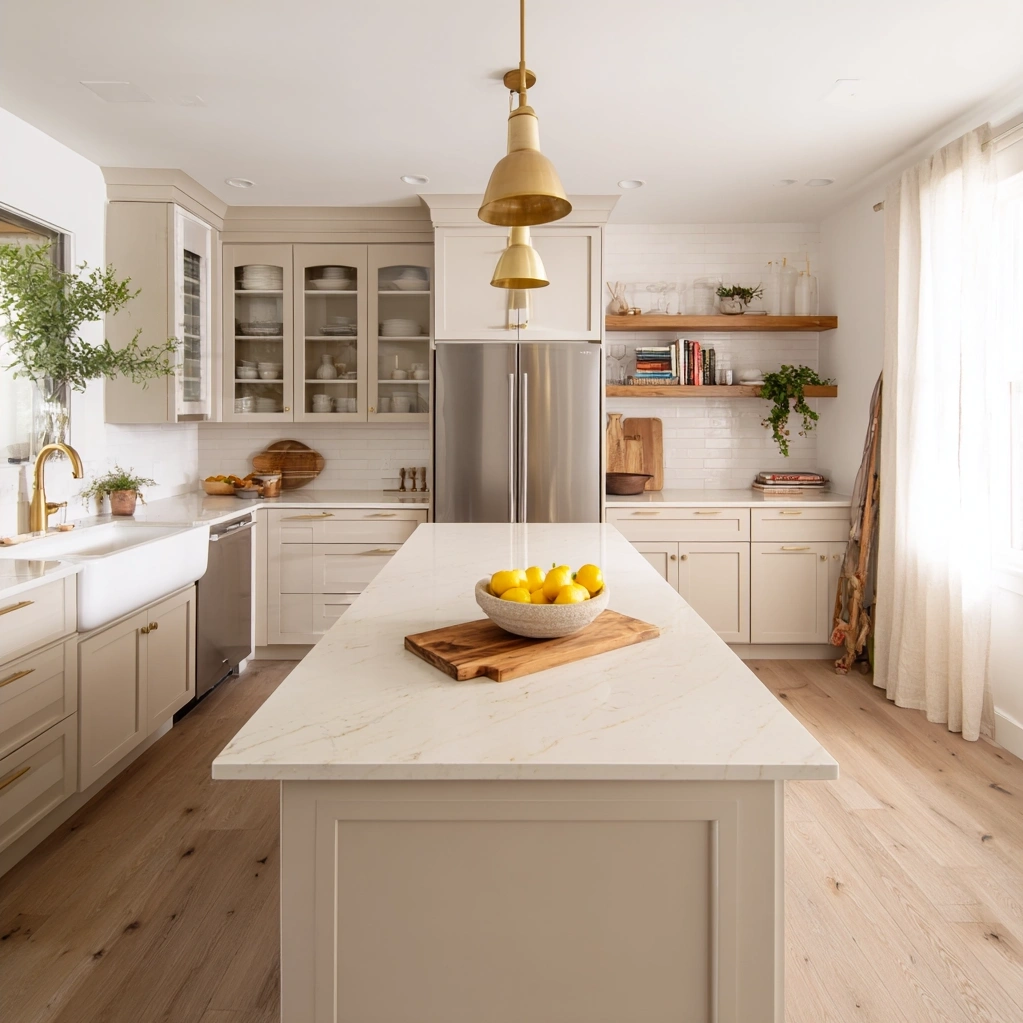
The right lighting and accents can elevate your warm white kitchen from beautiful to breathtaking. Lighting serves dual purposes in these spaces: it must provide sufficient illumination for cooking tasks while enhancing the warm, inviting atmosphere. Layer different types of lighting for best results. Start with ambient lighting—recessed ceiling lights or a statement pendant over the island can establish the overall mood. Choose fixtures with warm finishes like brass or aged bronze to complement the color scheme. Under-cabinet lighting is essential for task areas, illuminating countertops without creating harsh shadows. Consider LED strips with adjustable color temperature; you can set them to warmer tones in the evening for cozy ambiance. Natural light plays a starring role in warm white kitchens. Maximize window exposure with minimal window treatments that allow sunlight to flood the space. Sheer curtains in neutral tones filter light beautifully while maintaining privacy. Accent lighting can highlight architectural features or display areas—small spotlights above open shelves or inside glass-front cabinets add dimension. Now for accents: these are what make your warm white kitchen uniquely yours. Introduce texture through textiles like a runner rug with warm tones or window valances in natural fabrics. Wood elements bring warmth and contrast; consider a butcher block island top, wooden bar stools, or floating wood shelves. Metallic accents in gold, brass, or copper add sophistication—think drawer pulls, faucet fixtures, or pendant light details. For color accents, choose one or two complementary shades that enhance rather than compete with the warm white foundation. Soft greens, navy blues, or earthy terracottas work beautifully. Live plants add life and freshness; herbs in decorative pots on windowsills serve both decorative and practical purposes. Remember, the goal is balance—enough variation to create interest without overwhelming the serene warm white foundation that makes these kitchens so special.
Conclusion
A warm white kitchen represents more than just a color choice—it's a lifestyle decision that prioritizes comfort, functionality, and timeless beauty. Throughout this exploration, we've seen how this versatile palette can transform ordinary cooking spaces into extraordinary gathering places that nourish both body and soul. The subtle sophistication of warm whites provides a perfect foundation for personal expression through materials, textures, and carefully chosen accents. As we look toward future kitchen design trends, the appeal of warm white kitchens shows no signs of fading. Their adaptability to various styles, from rustic to modern, ensures they remain relevant through changing tastes. The psychological benefits—creating spaces that feel welcoming and calm—align perfectly with our growing desire for homes that support wellbeing. For those considering this approach, remember that success lies in the details: the undertones of your whites, the quality of materials, and the thoughtful integration of lighting and personal touches. Whether you're planning a complete renovation or gradual updates, a warm white kitchen offers a rewarding path to creating your ideal culinary sanctuary. Start by assessing your current space, identifying elements you love, and imagining how warm white tones could enhance them. Small changes like switching out hardware, adding warm-toned lighting, or introducing textured textiles can make significant impact. Ultimately, your kitchen should reflect your unique needs and aesthetic preferences while providing the comforting embrace that makes a house feel like home.
Frequently Asked Questions
Q: What's the difference between warm white and cool white in kitchen design?
Warm white and cool white refer to the undertones present in white colors. Warm whites have subtle hints of yellow, cream, beige, or peach, creating a cozy, inviting atmosphere. Cool whites have blue, gray, or purple undertones, resulting in a crisp, clean look that can feel more modern but sometimes sterile. In kitchen design, warm whites make spaces feel more welcoming and lived-in, while cool whites create a sleek, minimalist aesthetic. The choice depends on your desired mood and how the color interacts with your kitchen's lighting and other materials.
Q: How do I choose the right warm white paint for my kitchen cabinets?
Selecting the perfect warm white for cabinets requires testing samples in your actual space. Paint large swatches on cabinet doors or walls, observing how colors change with natural and artificial light throughout the day. Consider your countertops, backsplash, and flooring—the warm white should complement rather than clash with these elements. Popular warm white cabinet colors include Benjamin Moore's White Dove, Sherwin-Williams' Alabaster, and Farrow & Ball's Pointing. Look for paints with good durability and washability for kitchen use. Semi-gloss or satin finishes work well for cabinets, offering both beauty and practicality.
Q: Can a warm white kitchen work in a small space without making it feel cramped?
Absolutely! A warm white kitchen can actually make small spaces feel larger and more open. The light-reflective quality of warm whites helps bounce light around the room, creating an airy perception. To maximize this effect, maintain consistency in your color palette—using similar warm white tones on cabinets, walls, and ceilings eliminates visual breaks that can make spaces feel compartmentalized. Incorporate reflective surfaces like glass cabinet doors or metallic accents to enhance light diffusion. Strategic lighting, particularly under-cabinet options, ensures shadows don't make the space feel closed in. The welcoming nature of warm whites also makes compact kitchens feel cozy rather than cramped.