
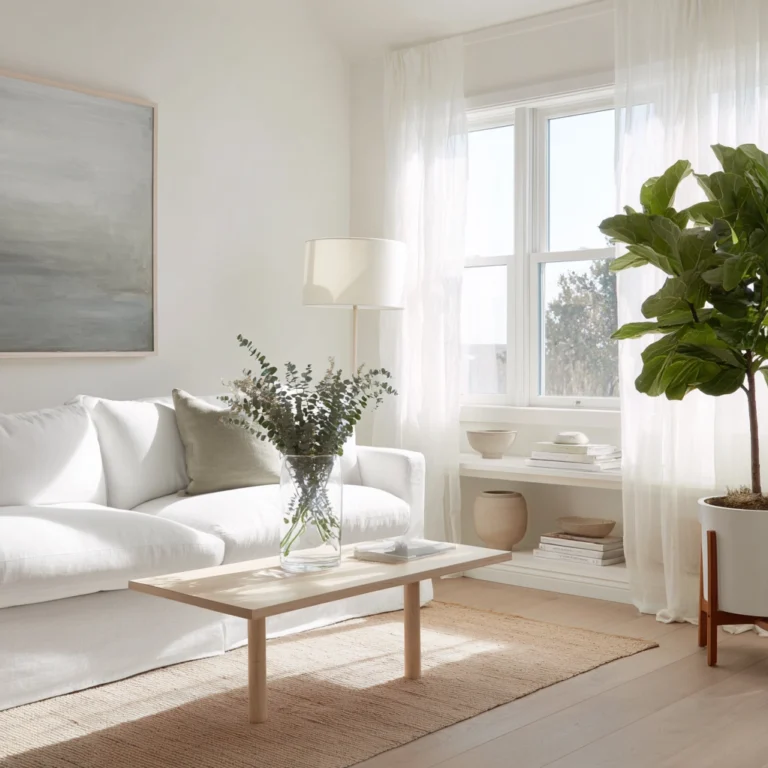
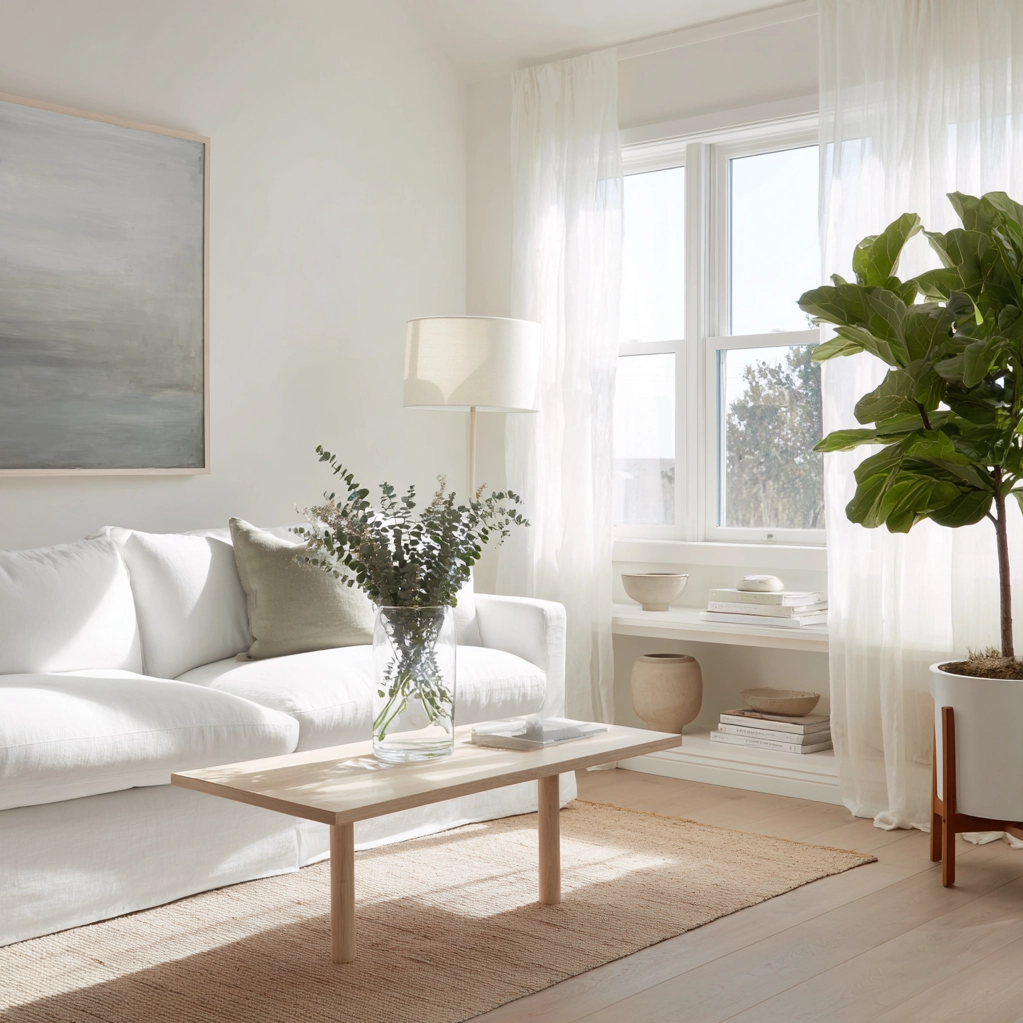
Imagine walking into a room where light dances freely, every object tells a story, and peace permeates the air. This isn’t just a dream—it’s the power of the white background aesthetic. In today’s fast-paced world, our homes have become more than just living spaces; they’re sanctuaries for our minds and souls. The white background aesthetic offers a canvas of calm, transforming cluttered chaos into serene simplicity. By embracing white as a foundational element, you create a versatile backdrop that enhances both beauty and functionality. This approach isn’t about stark emptiness—it’s about intentional design that celebrates light, space, and harmony. Whether you’re decorating a cozy apartment or a spacious home, the white background aesthetic provides endless possibilities. It allows your favorite pieces to shine while promoting mental clarity. In a world filled with visual noise, a white-based environment offers refreshing tranquility. This aesthetic has gained popularity for its ability to make rooms feel larger, brighter, and more inviting. It’s a timeless choice that adapts to any style, from modern minimalism to rustic charm. Embracing this look means creating spaces that nurture well-being and inspire creativity every day.
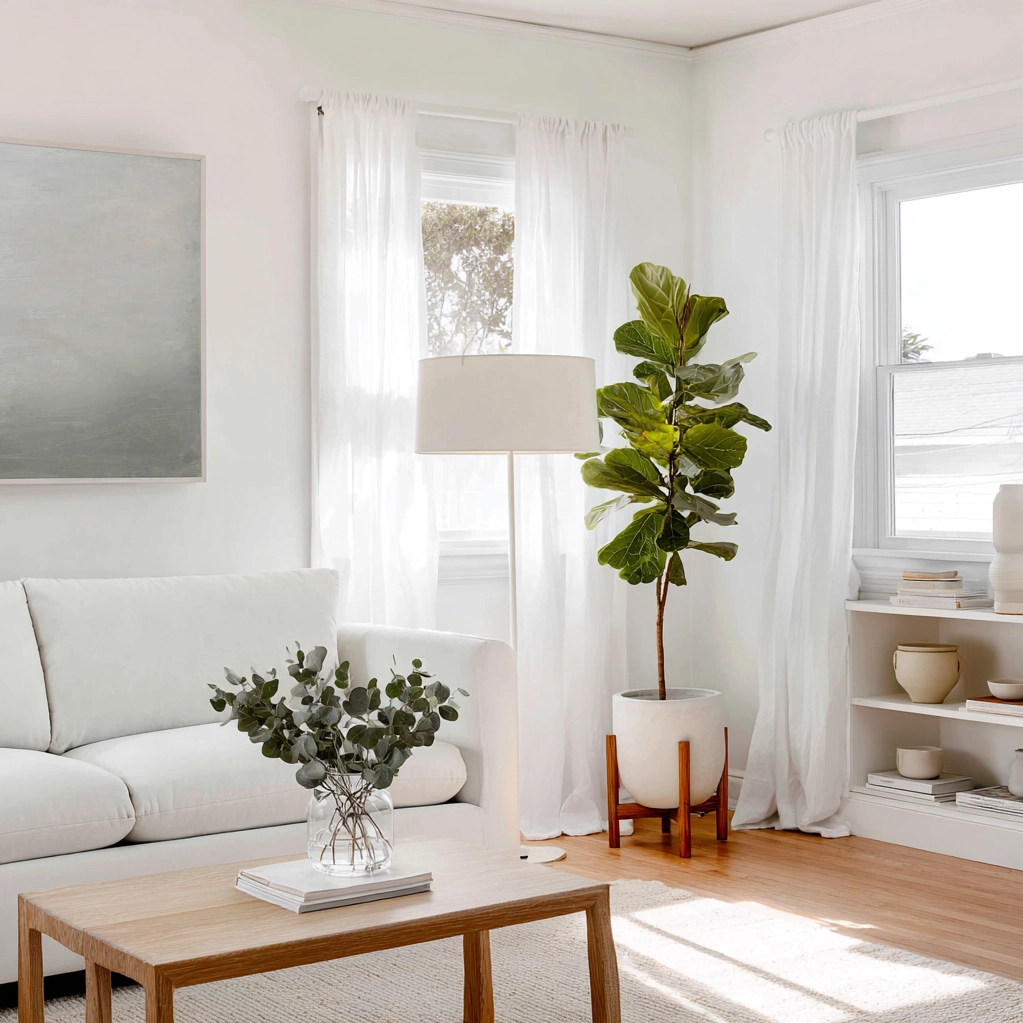
The Foundation of White Background Aesthetic: Creating Your Canvas
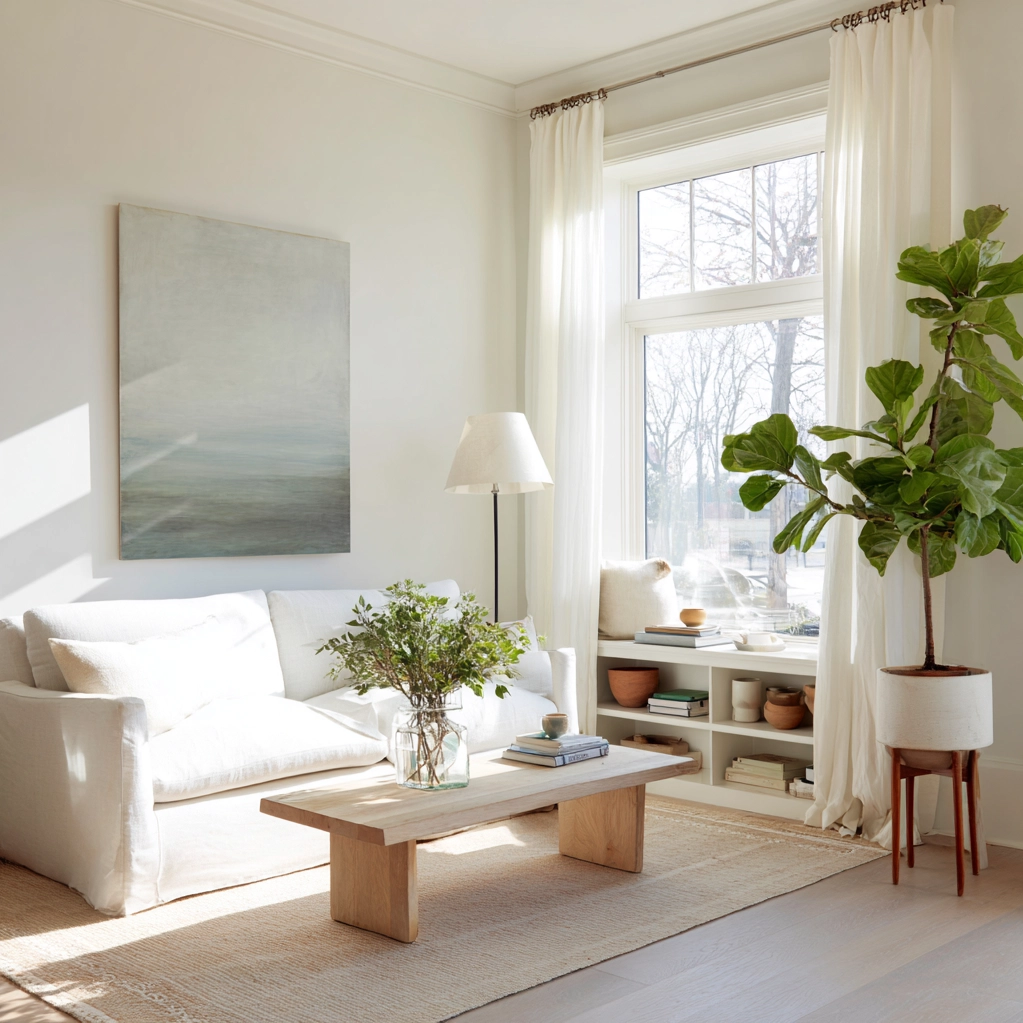
The white background aesthetic begins with a thoughtful foundation. Start by assessing your space's natural light and architectural features. White walls act as a blank canvas, reflecting light to brighten every corner. Choose paint with the right undertone—warm whites create coziness, while cool whites feel crisp and modern. For flooring, light wood, pale tiles, or white-washed surfaces extend the aesthetic seamlessly. Window treatments in sheer white fabrics maximize daylight without sacrificing privacy. When building your foundation, consider texture to avoid a sterile look. Matte finishes add depth, while glossy surfaces bounce light beautifully. Built-in shelving painted white provides storage without visual clutter. This foundation sets the stage for a harmonious space. Remember, the goal isn't clinical perfection but a balanced backdrop. Test paint samples at different times of day to see how light affects them. In smaller rooms, use the same white on walls, ceilings, and trim to eliminate visual breaks. This creates an expansive feel. For larger areas, vary textures to add interest. The white background aesthetic foundation is about creating a versatile base that supports your lifestyle. It's the first step toward a home that feels both spacious and intimate.
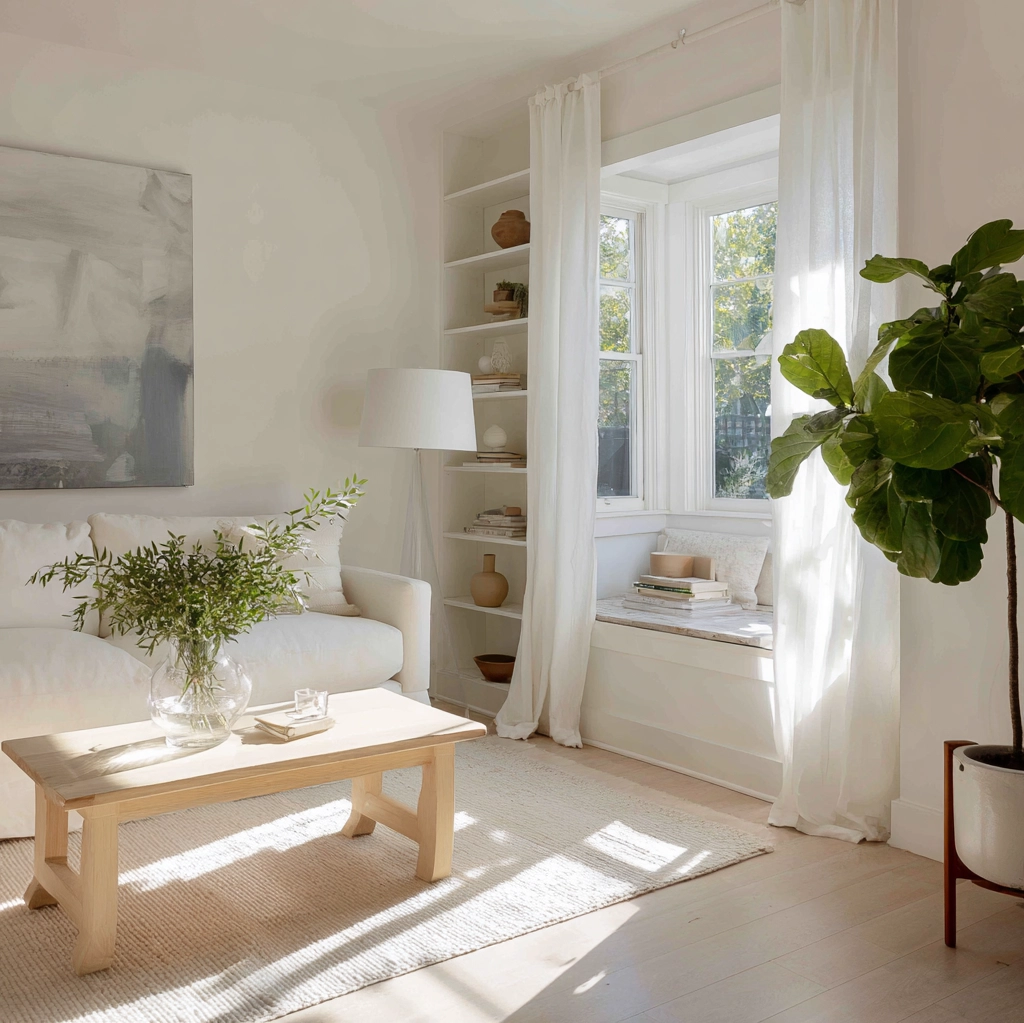
Enhancing Your White Background Aesthetic with Thoughtful Accents
Once your white foundation is set, accents bring the white background aesthetic to life. Choose furnishings in natural materials like wood, linen, or stone to add warmth. A wooden dining table or a rattan chair introduces organic texture against white walls. Soft furnishings in neutral tones—beige, gray, or soft pastels—create layers without overwhelming the space. Artwork with subtle colors or black-and-white photography becomes a focal point. Plants are essential; green foliage pops beautifully against white, adding life and freshness. Incorporate metallic accents sparingly—brass handles or silver frames add subtle shine. Lighting plays a crucial role; pendant lights with clean lines or floor lamps with white shades maintain the aesthetic while providing function. Rugs in light hues define areas without darkening the floor. When selecting accents, prioritize quality over quantity. Each piece should serve a purpose or bring joy. Mix different textures to prevent monotony: a chunky knit throw on a smooth white sofa, or a ceramic vase on a wooden shelf. The white background aesthetic thrives on contrast and balance. Avoid overcrowding; leave negative space to let the mind rest. This approach ensures your home feels curated, not cluttered. Accents should enhance the serene atmosphere, making the space uniquely yours.
Maintaining and Evolving Your White Background Aesthetic
A white background aesthetic requires mindful maintenance to stay fresh and inviting. Regular cleaning is key; dust and smudges are more visible on white surfaces. Use gentle, non-abrasive cleaners to preserve finishes. For upholstery, choose washable covers or stain-resistant fabrics. To keep the look evolving, rotate accessories seasonally. Swap light summer linens for cozy winter textiles, or change art pieces to reflect new inspirations. This prevents stagnation without major redesigns. As your needs change, the white background aesthetic adapts easily. Add a new piece of furniture in a complementary tone, or introduce a different texture through baskets or pottery. Lighting adjustments can also refresh the space; try new lamp placements or bulb temperatures. Over time, you might incorporate subtle color accents—a blush pillow or a sage green throw—while keeping white dominant. This flexibility is one of the aesthetic's greatest strengths. It grows with you, always providing a calm base. To avoid a dated look, focus on timeless pieces rather than trends. Natural materials age beautifully, adding character. Remember, the white background aesthetic isn't static; it's a living environment that reflects your journey. With care and creativity, it remains a sanctuary for years to come.
Conclusion
The white background aesthetic offers more than just visual appeal; it creates a foundation for peaceful, intentional living. By starting with a white canvas, you open up possibilities for light, space, and personal expression. This approach transforms homes into havens of tranquility, where every element serves a purpose. As we've explored, building this aesthetic involves careful foundation work, thoughtful accents, and ongoing maintenance. The result is a space that feels both expansive and intimate, modern and timeless. Looking ahead, the white background aesthetic continues to evolve with sustainable materials and smart design innovations. Future trends may include eco-friendly white paints and multifunctional white furniture, but the core principles remain: simplicity, harmony, and well-being. To embrace this style, start small—paint one room or introduce white accessories. Notice how light and mood shift. Over time, you can expand the aesthetic throughout your home. Remember, perfection isn't the goal; authenticity is. Let your space reflect your unique story against a serene backdrop. The white background aesthetic isn't a passing trend; it's a lasting approach to creating homes that nurture the soul. Embrace its magic, and transform your living environment into a sanctuary of calm.
Frequently Asked Questions
Q: How can I avoid a cold or sterile look with a white background aesthetic?
To prevent a cold feel, incorporate warm elements. Use white paints with warm undertones like cream or ivory. Add texture through natural materials such as wood, wool, or linen. Layer soft furnishings in neutral shades like beige or taupe. Include plants for organic warmth and life. Mix in metallic accents like brass or copper for subtle shine. Lighting is crucial—choose warm white bulbs (2700K-3000K) to create a cozy glow. Avoid overly shiny surfaces; opt for matte finishes that feel softer. Personal items like books or handmade pottery add character without clutter. By balancing white with warm, textured elements, you achieve an inviting space that feels serene, not sterile.
Q: Is the white background aesthetic suitable for homes with children or pets?
Yes, it can work well with practical adjustments. Choose durable, washable paints in satin or semi-gloss finishes for easy cleaning. For furniture, opt for performance fabrics that resist stains and are machine-washable. Light-colored rugs with patterns can hide minor spills. Incorporate storage solutions like white baskets or cabinets to keep toys organized. Use washable slipcovers on sofas and chairs. For floors, consider light-colored laminate or tile that's scratch-resistant. The key is selecting materials that balance aesthetics with functionality. With smart choices, a white background aesthetic can be both beautiful and family-friendly, creating a calm environment for everyone.
Q: Can I incorporate color into a white background aesthetic without losing its effect?
Absolutely. Color can enhance the white background aesthetic when used thoughtfully. Start with small accents like pillows, throws, or art in soft hues such as blush, sage, or navy. These add interest without overwhelming the white base. For a bolder approach, choose one accent wall in a subtle color, keeping other walls white. Natural elements like wood or green plants introduce color organically. When adding color, maintain balance—limit it to 10-20% of the space to preserve the serene feel. This approach keeps the aesthetic fresh and personalized while retaining its calming essence.