
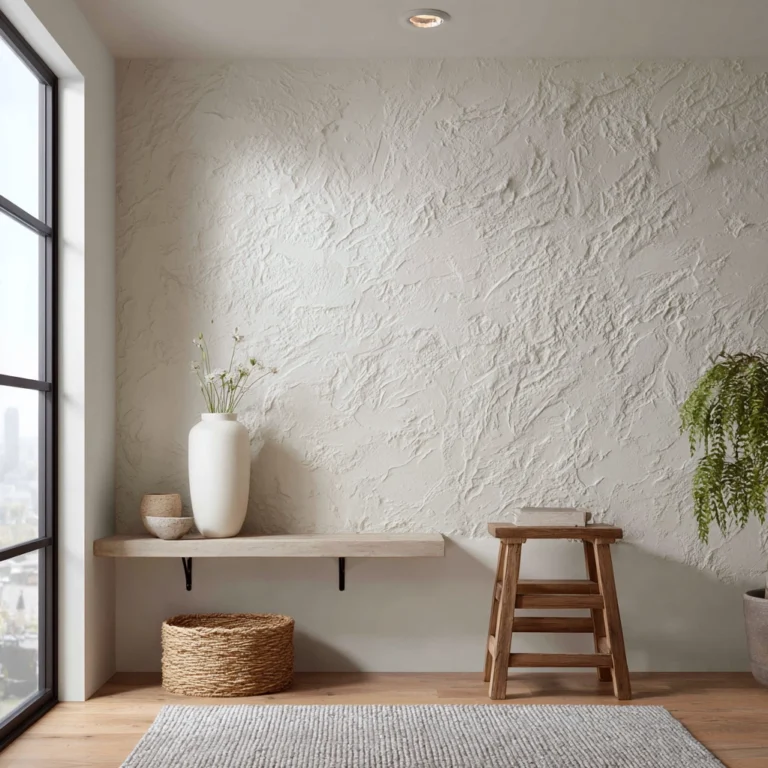
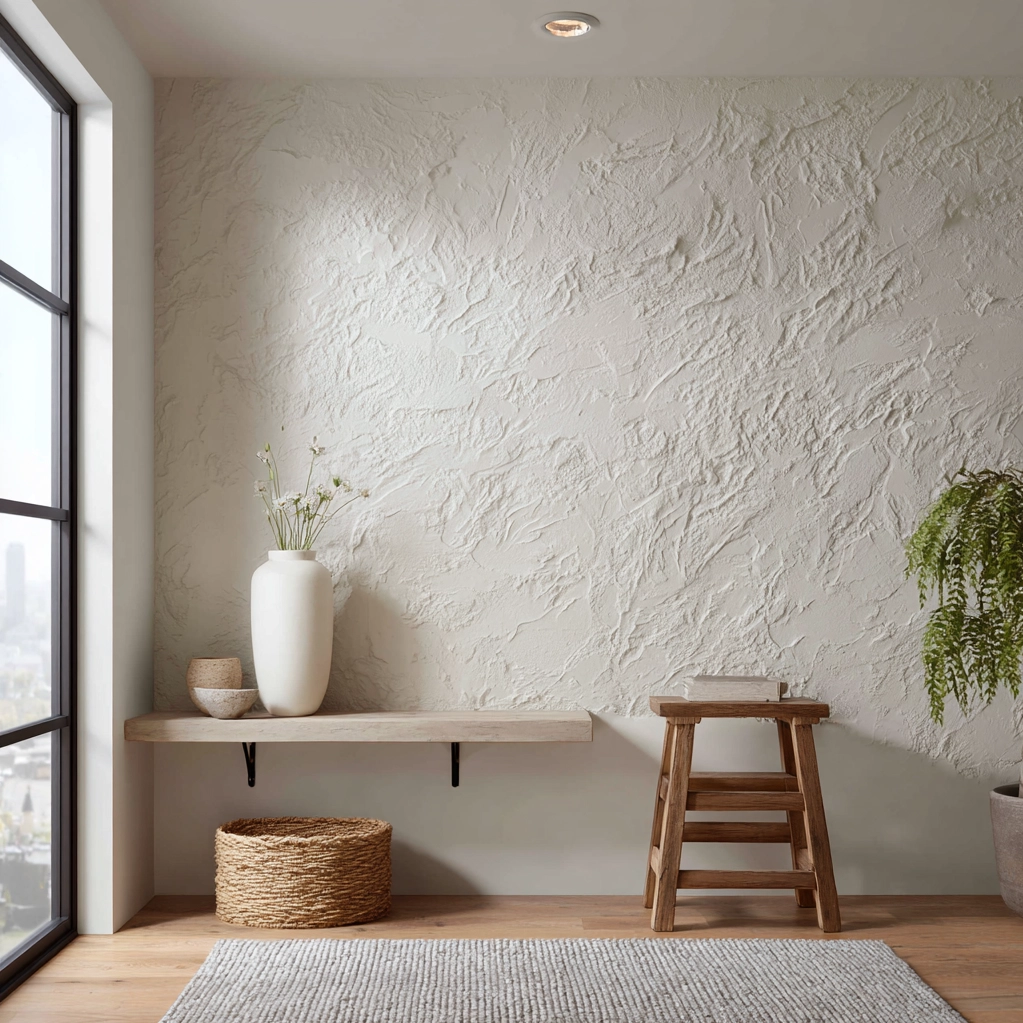
In the world of interior design, white is often dismissed as plain or sterile. But when you explore the intricate world of white background texture, you discover a universe of possibilities that transforms simple spaces into sophisticated sanctuaries. Texture is what gives white walls, surfaces, and decor their character—it adds depth, creates visual interest, and introduces a tactile quality that pure color alone cannot achieve. Without texture, white can feel cold and clinical; with it, white becomes warm, inviting, and endlessly versatile. Whether you’re decorating a minimalist apartment, a cozy living room, or a modern office, understanding how to incorporate white background texture is essential for creating a balanced, beautiful space. This element allows you to play with light and shadow, making rooms feel larger and more dynamic. It also serves as the perfect canvas for layering other design elements, from bold artwork to colorful furnishings. In this article, we’ll dive into why texture matters, how to choose the right types for your home, and practical ways to implement them. You’ll learn that white isn’t just a color—it’s a foundation for creativity. By mastering white background texture, you can elevate your decor from ordinary to extraordinary, creating environments that are both serene and stimulating. Let’s explore how this subtle yet powerful tool can revolutionize your approach to home design.
Why White Background Texture Matters in Modern Design
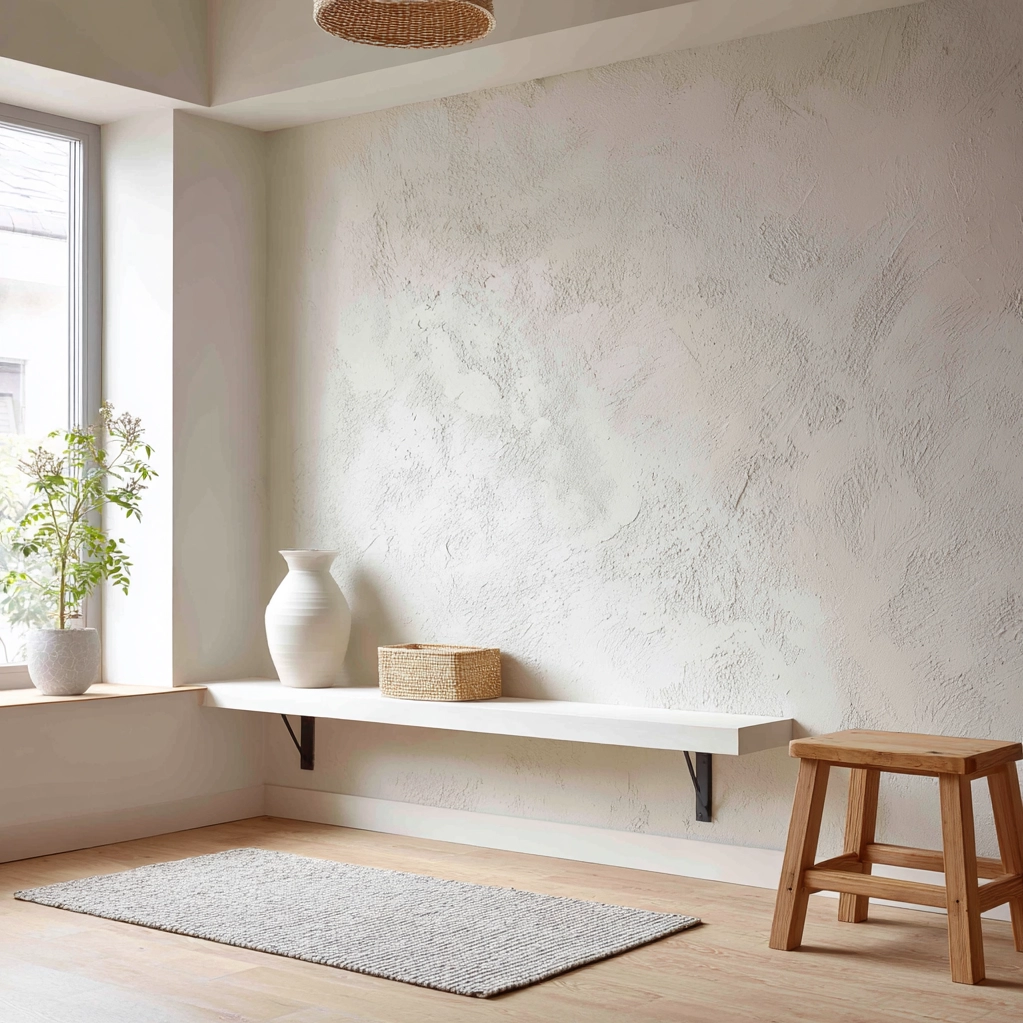
White background texture is more than just a visual detail—it's a fundamental aspect of contemporary interior design that brings spaces to life. In modern aesthetics, where clean lines and simplicity reign supreme, texture prevents white surfaces from appearing flat or boring. It introduces subtle variations that catch light differently throughout the day, creating a dynamic environment that changes with the sun. This is crucial in minimalist designs, where fewer colors and decorations rely on texture to add complexity and warmth. For example, a white textured wall behind a sleek sofa can provide contrast that makes the furniture pop, while a smooth white countertop next to a rough-textured backsplash adds visual balance. Texture also enhances functionality by hiding imperfections and wear, making white surfaces more practical for everyday use. In open-plan homes, white background texture helps define different zones without using walls or bold colors. A textured white rug in the living area, for instance, can subtly separate it from the dining space while maintaining a cohesive look. Moreover, texture influences mood—rough textures like plaster or burlap add a rustic, cozy feel, while smooth textures like polished marble or glossy paint evoke sophistication and calm. By strategically incorporating these elements, you can tailor a space to reflect your personal style and needs. Whether you're aiming for a serene bedroom or an inviting kitchen, understanding the role of texture in white backgrounds is key to achieving a harmonious and stylish home.
Essential Types of White Background Texture for Every Room
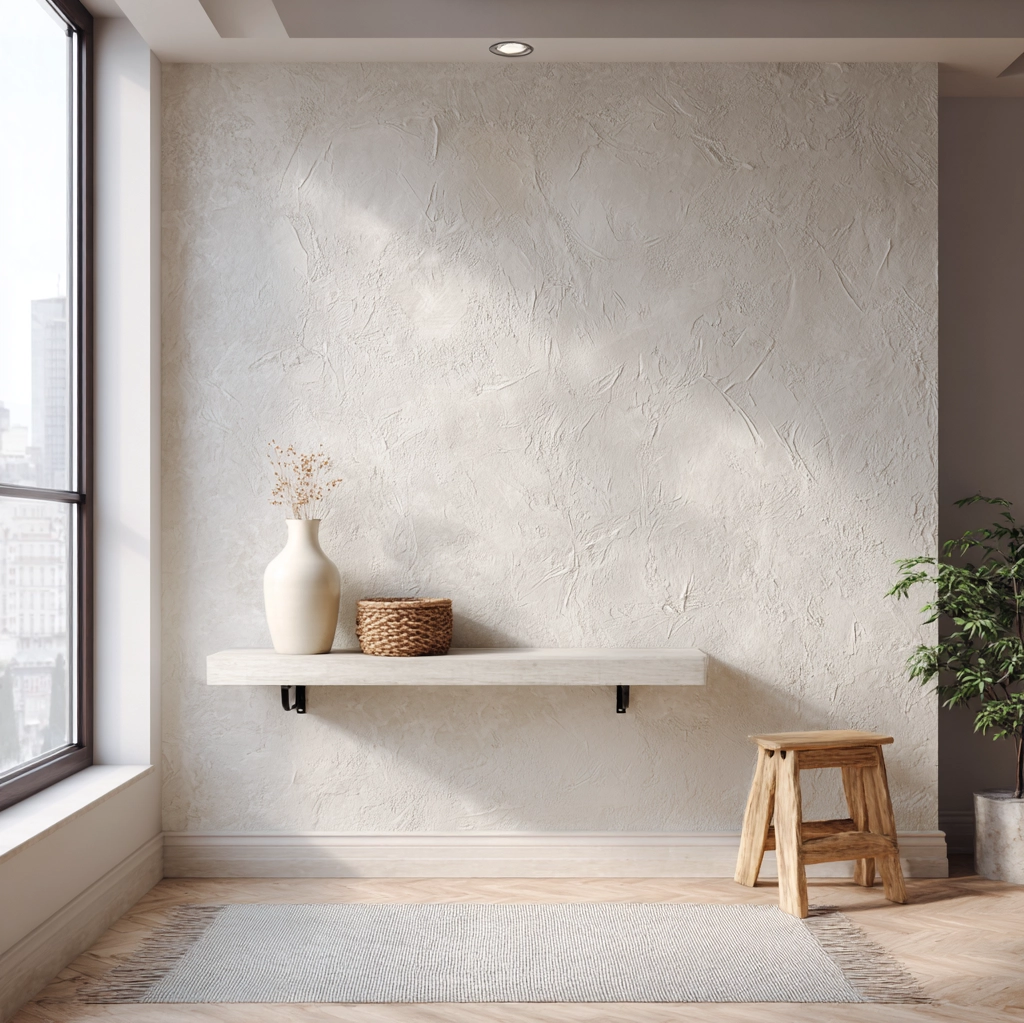
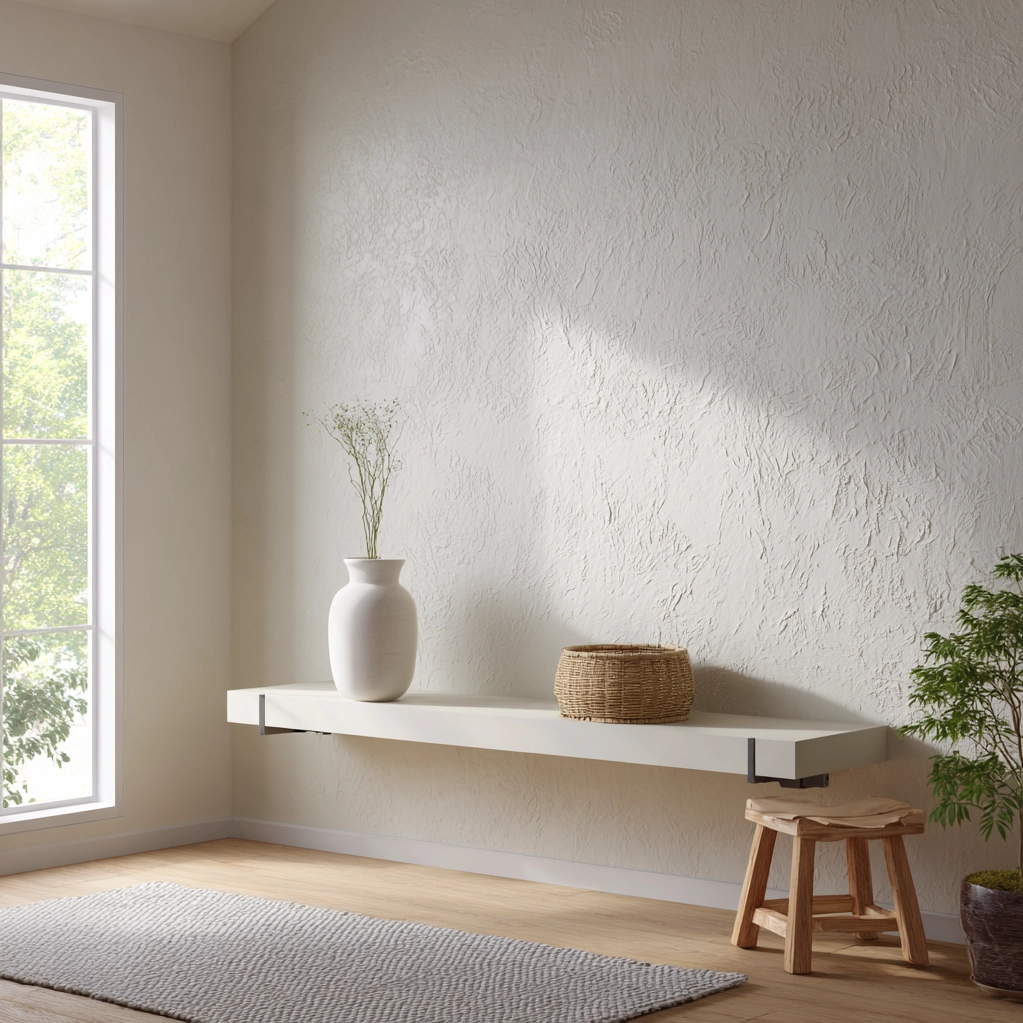
When selecting white background texture for your home, it's important to consider the variety available and how each type suits different spaces. One popular option is textured paint or wallpaper, which adds dimension to walls without overwhelming a room. Techniques like knockdown, orange peel, or grasscloth patterns create subtle shadows and interest, ideal for living rooms or bedrooms where you want a soft, inviting atmosphere. Another essential type is natural materials, such as white-washed wood, stone, or brick. These bring organic warmth and authenticity, perfect for accent walls in kitchens or dining areas. For surfaces like floors and countertops, textured tiles or concrete with a matte finish offer durability and a modern industrial vibe. In softer elements, consider fabrics with white background texture—think linen curtains, chunky knit throws, or embroidered cushions. These add comfort and coziness, especially in spaces meant for relaxation. Lighting also plays a role in emphasizing texture; directional lights can highlight rough surfaces, while diffuse lighting smooths them out. When mixing textures, aim for contrast—pair a smooth white sofa with a nubby rug, or a glossy white table with a matte-textured vase. This creates depth and prevents monotony. For smaller rooms, lighter textures like fine-weave fabrics or subtle wall patterns can make spaces feel larger, while bolder textures work well in expansive areas to add intimacy. By exploring these types, you can choose white background texture that enhances functionality and aesthetics in every corner of your home.
Practical Tips for Incorporating White Background Texture in Decor
Incorporating white background texture into your decor doesn't have to be daunting—with a few practical tips, you can achieve stunning results that elevate your space. Start by assessing your room's existing elements. If you have smooth surfaces like glass tables or shiny floors, introduce texture through accessories such as woven baskets, ceramic vases, or textured art prints. This adds interest without requiring major renovations. For walls, consider removable textured panels or peel-and-stick wallpaper if you're renting or want a temporary change. These options allow you to experiment with white background texture without long-term commitment. In kitchens and bathrooms, where moisture and wear are concerns, opt for durable textures like subway tiles with a matte finish or quartz countertops with subtle veining. These are easy to clean and maintain while providing visual depth. Layering is another effective strategy—combine multiple textures in varying scales. For instance, place a coarse jute rug under a smooth white bed, then add a fluffy white throw and linen pillows. This creates a rich, inviting look. Don't forget about ceilings; textured ceiling tiles or beams can draw the eye upward and make rooms feel more expansive. When choosing textures, think about the room's purpose. In a home office, a textured white wall behind your desk can reduce glare and add professionalism, while in a nursery, soft textures like quilted fabrics promote safety and comfort. Finally, use lighting to your advantage—spotlights or wall sconces can accentuate textured surfaces, enhancing their effect. By following these tips, you can seamlessly integrate white background texture into your decor for a polished, personalized home.
Conclusion
White background texture is a transformative tool in home decor, offering endless opportunities to create spaces that are both beautiful and functional. Throughout this article, we've explored why texture matters in modern design, the essential types available, and practical ways to incorporate them into your home. By understanding these principles, you can move beyond flat, sterile white surfaces to environments rich with depth and character. Texture not only enhances visual appeal but also improves the livability of a space—making it feel warmer, more inviting, and tailored to your lifestyle. As design trends evolve, we can expect white background texture to remain a staple, with innovations in sustainable materials and smart home integrations offering new possibilities. For example, textured surfaces that change with lighting or temperature could become more common, adding dynamic elements to static spaces. To apply these insights, start small—experiment with textured accessories or a single accent wall, then expand as you gain confidence. Remember, the goal is balance; too much texture can feel chaotic, while too little may lack interest. By thoughtfully layering white background texture, you can achieve a harmonious look that reflects your personal style. Whether you're refreshing a room or designing from scratch, embrace texture as your ally. It's the secret to making white spaces come alive, turning simple backgrounds into stunning focal points that inspire and delight every day.
Frequently Asked Questions
Q: How do I clean and maintain white textured surfaces without damaging them?
Cleaning white textured surfaces requires gentle methods to preserve their appearance. For walls with textured paint or wallpaper, use a soft-bristled brush or vacuum attachment to remove dust, and spot-clean with a damp cloth—avoid harsh chemicals that can erode the texture. For natural materials like stone or wood, use pH-neutral cleaners and sealants as recommended to prevent staining. Fabric textures, such as linen or knit items, should be vacuumed regularly and washed according to care labels. Always test cleaning products on a small, hidden area first.
Q: Can white background texture make a small room feel larger or smaller?
White background texture can influence the perception of space depending on how it's used. Light, subtle textures—like fine-weave fabrics or smooth matte finishes—tend to reflect more light and make small rooms feel larger and airier. In contrast, bold, rough textures—such as heavy plaster or deep patterns—can add coziness but may make a space feel more enclosed if overused. To maximize openness in a small room, opt for minimal texture on walls and larger surfaces, and incorporate texture through smaller accessories to avoid overwhelming the area.
Q: What are budget-friendly ways to add white background texture to my home?
Adding white background texture doesn't have to be expensive. Affordable options include using textured paint techniques with rollers or sponges, which you can DIY for a custom look. Peel-and-stick textured wallpaper is another cost-effective choice for temporary updates. For decor, shop for second-hand textured items like woven baskets, ceramic pieces, or fabric throws at thrift stores. You can also repurpose materials—for example, use white-washed pallet wood to create an accent wall. Focus on high-impact areas like behind a bed or sofa to stretch your budget while achieving a stylish result.