
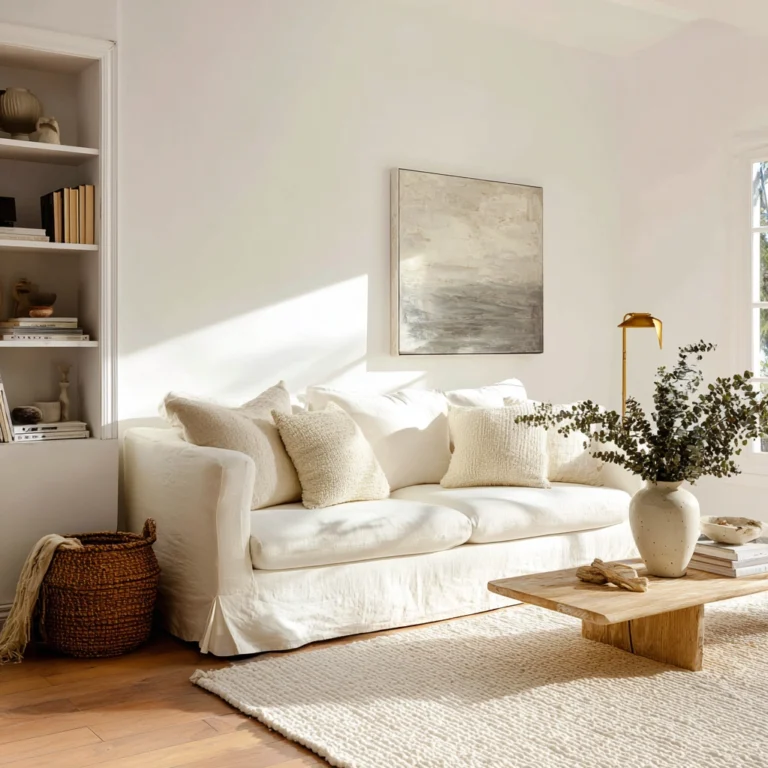
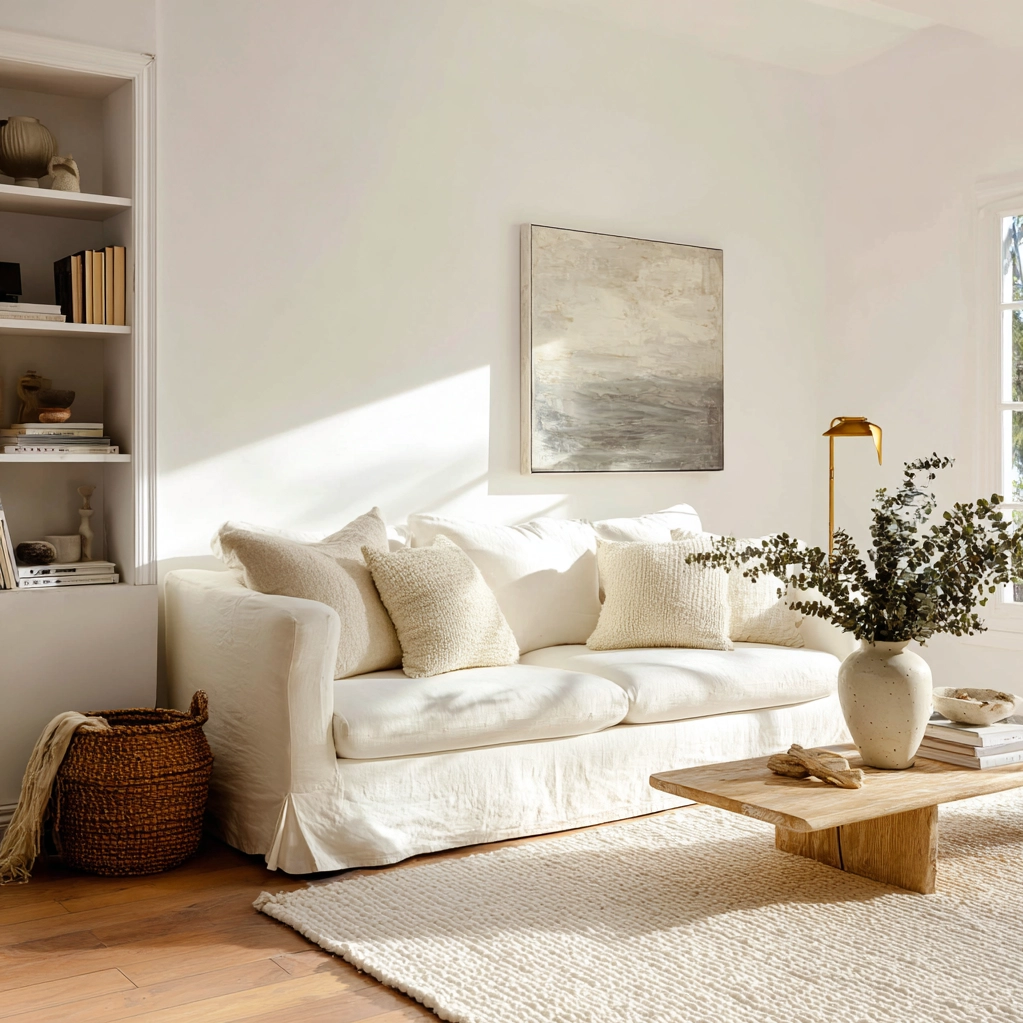
Imagine walking into a room bathed in pure, clean light, where every element feels intentional and calming. White room decor offers more than just a color choice—it’s a design philosophy that transforms spaces into sanctuaries of peace and sophistication. In today’s fast-paced world, our homes need to serve as retreats from visual clutter and stress. White interiors create exactly that: environments that feel open, airy, and mentally refreshing. The importance of this design approach extends beyond aesthetics. White rooms can make small spaces appear larger, enhance natural light, and provide a versatile backdrop for personal expression through textures and accents. Many homeowners shy away from all-white spaces, fearing they might feel sterile or impractical. However, when executed thoughtfully, white room decor becomes a canvas for warmth and personality. It’s not about creating a blank void, but rather establishing a harmonious foundation that elevates everything within it. From minimalist apartments to cozy family homes, white decor adapts beautifully to various lifestyles. This versatility makes it a timeless choice that withstands passing trends. As we explore white room decor, we’ll discover how this seemingly simple approach can dramatically improve both the look and feel of your living spaces. Whether you’re planning a complete makeover or subtle refresh, embracing white can lead to surprisingly transformative results.
White Room Decor Fundamentals: Building Your Perfect Foundation
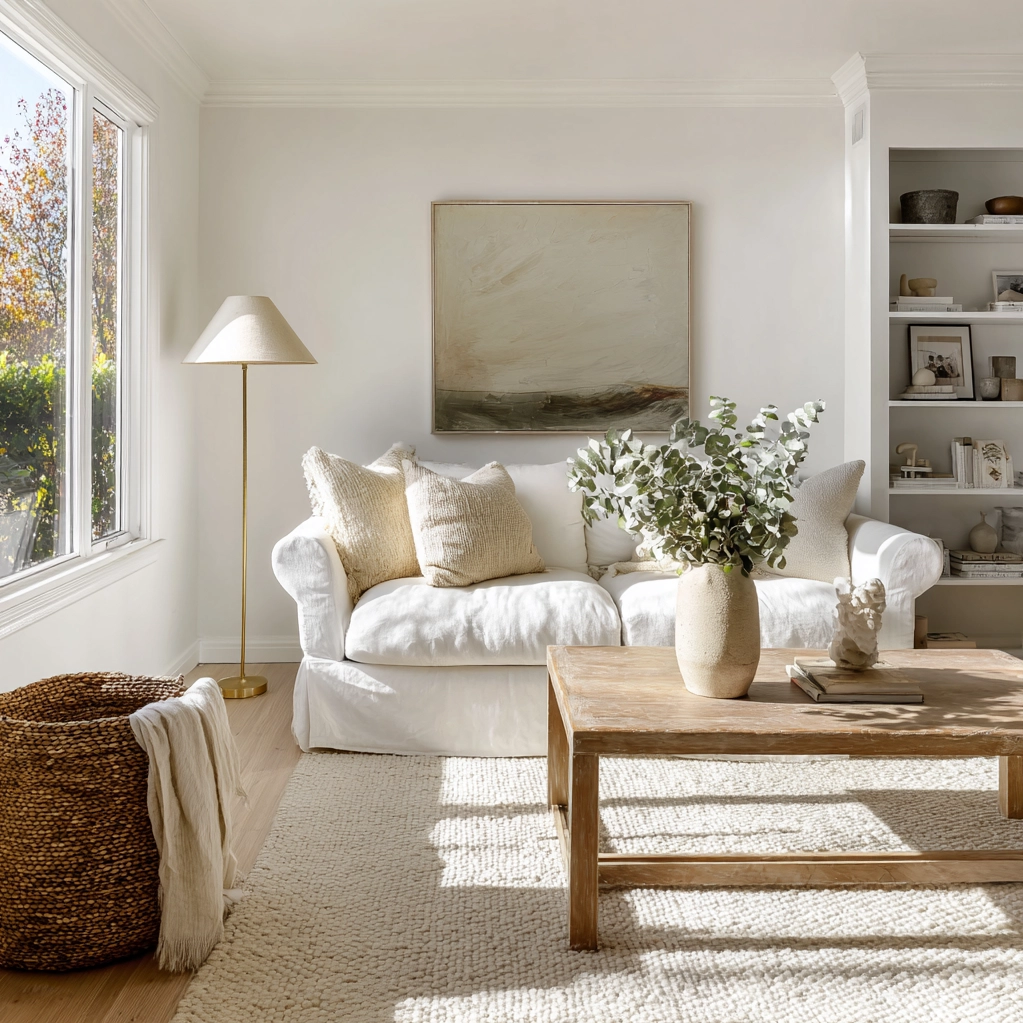
Creating a successful white room begins with understanding the fundamentals. White room decor isn't about painting everything white and calling it finished. It's a thoughtful approach that considers texture, tone, and balance. Start by selecting your white carefully. White paints come in various undertones—cool, warm, and neutral. Cool whites with blue or gray undertones work well in modern spaces with ample natural light, while warm whites with yellow or pink undertones create cozier, more traditional atmospheres. Test samples on different walls at various times of day to see how light affects them. Next, consider texture as your secret weapon against sterility. Incorporate different materials like linen curtains, wool rugs, wood furniture, and metallic accents. These textures add depth and prevent the space from feeling flat. A smooth white wall paired with a chunky knit throw or a rattan chair creates visual interest without introducing competing colors. Lighting plays a crucial role in white room decor. Layer different light sources—overhead fixtures, floor lamps, table lamps, and candles. This creates dimension and warmth, especially in evenings when natural light fades. Don't forget about negative space. White rooms thrive on breathing room between furniture pieces and decor items. This thoughtful spacing enhances the sense of calm and order. Finally, consider maintenance realistically. While white surfaces show dust and smudges more easily, choosing durable, washable materials makes upkeep manageable. These fundamentals ensure your white room feels intentional, not accidental.
Mastering White Room Decor Textures and Layers
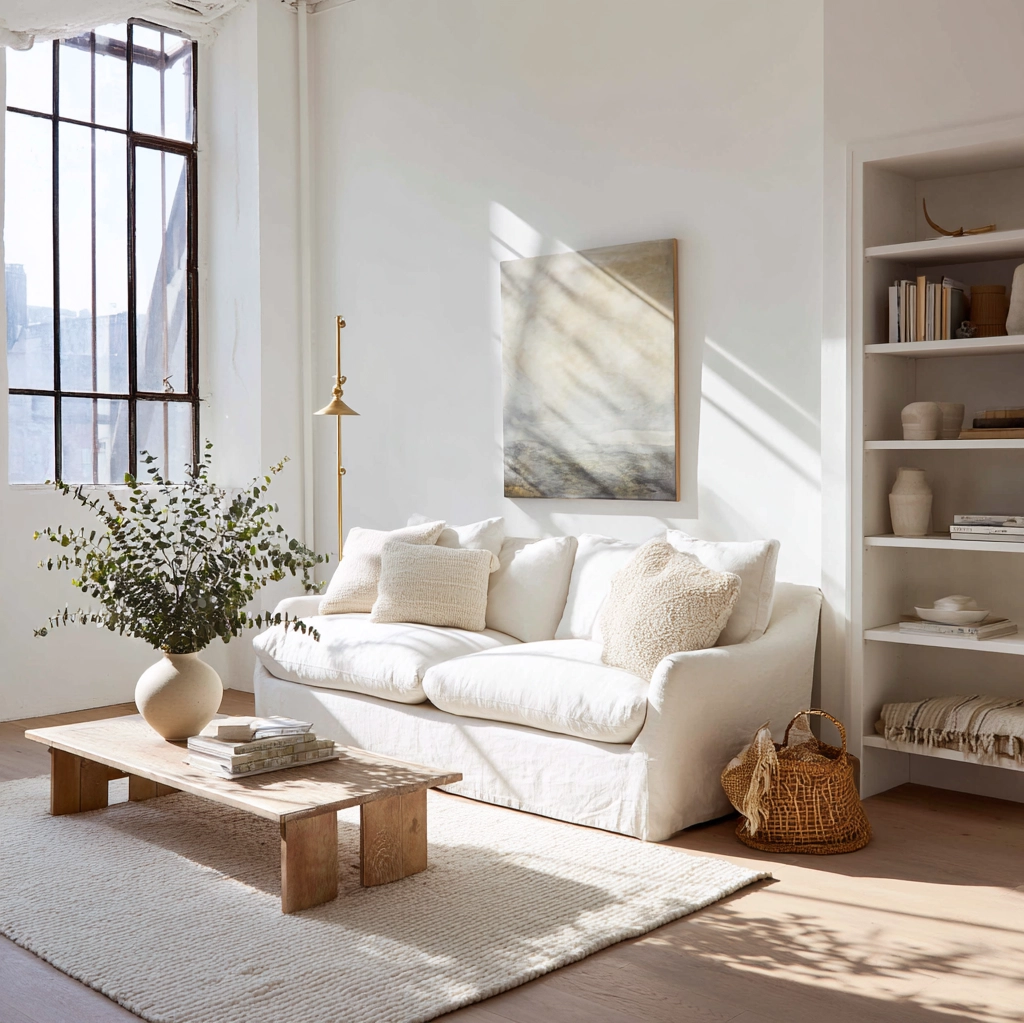
Texture transforms white rooms from sterile to sensational. Without thoughtful textural layers, all-white spaces can feel cold and impersonal. The key lies in mixing materials that feel good to touch and create visual depth. Begin with your largest surfaces. Choose a white paint with subtle sheen variations—eggshell on walls, satin on trim—to create light play. For flooring, consider white-washed wood, natural stone tiles, or plush wool carpets in cream tones. Each material interacts with light differently, adding complexity to your foundation. Furniture selection offers excellent texture opportunities. A sleek leather sofa contrasts beautifully with a nubby linen armchair. Wood furniture in natural finishes—oak, walnut, or ash—adds warmth through grain patterns. Don't overlook metallic elements. Brushed brass drawer pulls, matte black light fixtures, or silver picture frames provide subtle shine without overwhelming the palette. Soft furnishings deserve special attention in white room decor. Layer different fabrics: cotton slipcovers, velvet cushions, silk throw pillows, and wool blankets. These tactile elements make the space inviting and comfortable. Window treatments contribute significantly. Sheer white curtains diffuse light beautifully, while heavier linen drapes add weight and substance. Consider texture in unexpected places too. A woven basket for storage, a ceramic vase with interesting glaze, or a framed textile art piece all add character. Remember that texture works best when balanced. Too many rough textures feel chaotic, while too many smooth ones feel cold. Aim for a mix that feels harmonious to both eye and touch.
White Room Decor Accents: Adding Personality Without Clutter
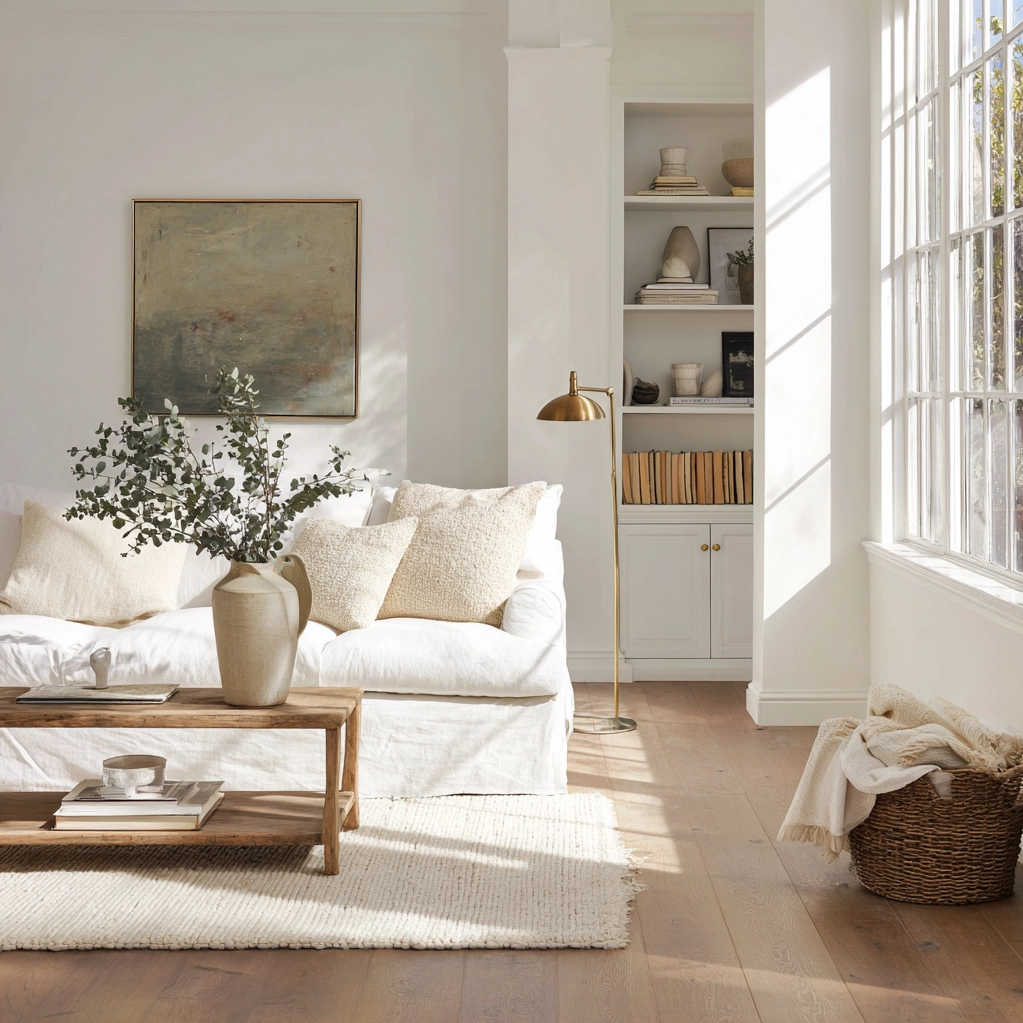
Accenting a white room requires careful curation to maintain serenity while expressing personal style. The beauty of white room decor lies in its ability to make carefully chosen accents truly shine. Start with a limited color palette for accents. One or two complementary colors work best—soft greens, warm taupes, or navy blues create cohesion without overwhelming. Introduce color through removable elements first: cushions, throws, artwork, and decorative objects. This allows flexibility as your tastes evolve. Artwork becomes particularly important in white rooms. A single large-scale painting or photograph creates a stunning focal point. Gallery walls with black frames and white mats maintain the clean aesthetic while displaying personal treasures. Plants bring life and organic shapes to white spaces. Choose varieties with interesting foliage—monstera with large leaves, snake plants with vertical lines, or trailing pothos for soft movement. Greenery adds color naturally without conflicting with your palette. Lighting fixtures serve as functional art in white room decor. A sculptural pendant light or an architecturally interesting floor lamp becomes a statement piece. Mirrors amplify light and create the illusion of more space while serving as decorative elements. When selecting furniture with color, opt for pieces with clean lines and neutral tones that complement rather than compete with your white foundation. Storage solutions should be both beautiful and practical. White built-in shelves or closed cabinets keep essentials accessible while maintaining visual calm. Remember that less is more with accents in white rooms. Each item should feel intentional and contribute to the overall harmony.
Conclusion
White room decor offers a powerful approach to creating spaces that feel both tranquil and timeless. Throughout this exploration, we've seen how white serves not as an absence of color, but as a foundation for intentional design. From selecting the right white tones to mastering textural layers and thoughtful accents, each element contributes to spaces that feel open, calm, and personally expressive. The true beauty of this design philosophy lies in its adaptability. White rooms can evolve with your life—changing accent colors with seasons, incorporating new textures as trends shift, or adjusting lighting arrangements for different moods. They provide a blank canvas that encourages mindfulness about what we bring into our spaces, helping reduce visual clutter and mental stress. Looking forward, white room decor continues to gain relevance as people seek sanctuary in their homes. The trend toward minimalist living and mindful consumption aligns perfectly with white interiors' emphasis on quality over quantity. Future innovations in sustainable white materials—from eco-friendly paints to recycled textiles—will make this approach even more accessible and responsible. Whether you implement these ideas in a single room or throughout your home, embracing white decor can transform not just your space, but how you experience daily life. Start small with a refreshed corner or dive into a complete makeover—either way, you're investing in serenity that lasts.
Frequently Asked Questions
Q: How do I keep a white room from looking too sterile or cold?
Preventing a sterile look involves incorporating warmth through textures, materials, and lighting. Use wood furniture with natural grain, add textiles like wool throws and linen cushions, and include metallic accents in warm tones like brass or copper. Layered lighting with warm bulbs creates cozy ambiance. Plants bring life and organic shapes. Finally, choose white paints with warm undertones rather than pure bright whites.
Q: Is white room decor practical for homes with children or pets?
Yes, with thoughtful material choices. Opt for washable paints, removable slipcovers, and durable fabrics like indoor-outdoor textiles. Choose furniture with wipeable surfaces and rugs that can be cleaned easily. Some scuffs and marks are inevitable, but they often add character. Establishing designated play areas with colorful, washable mats can contain messes while maintaining the overall white aesthetic in other zones.
Q: What are the best accent colors to use with white room decor?
Neutral earth tones work beautifully: warm grays, soft taupes, sandy beiges, and muted greens. For more contrast, navy blue, charcoal, or black create sophistication. Metallic accents in gold, brass, or matte black add shine without overwhelming. If introducing brighter colors, limit to one hue used sparingly through removable items like cushions or art. The key is maintaining balance so accents complement rather than compete with your white foundation.